





Remote Piano Recording
YOUR FILES


scroll down to learn more
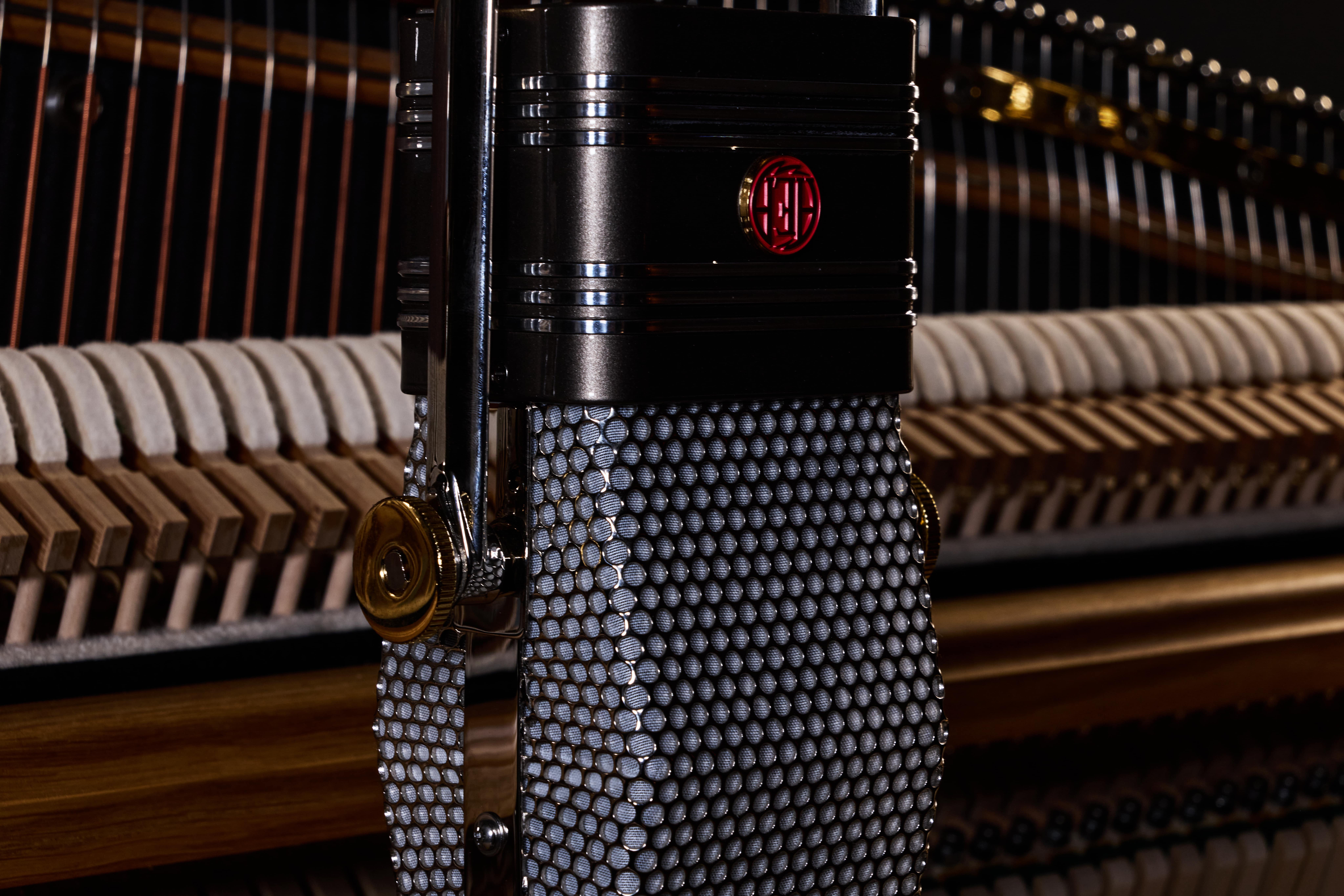
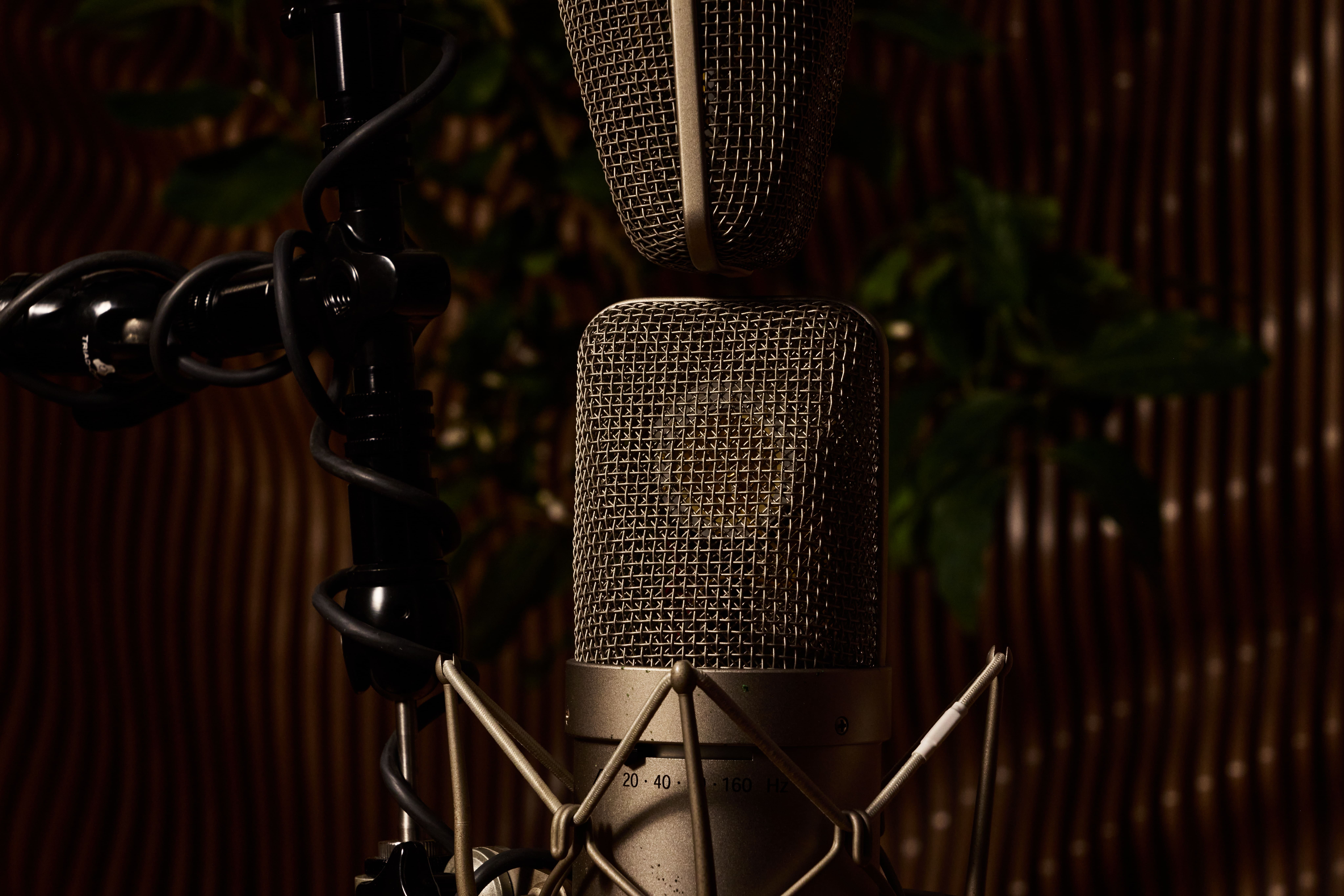
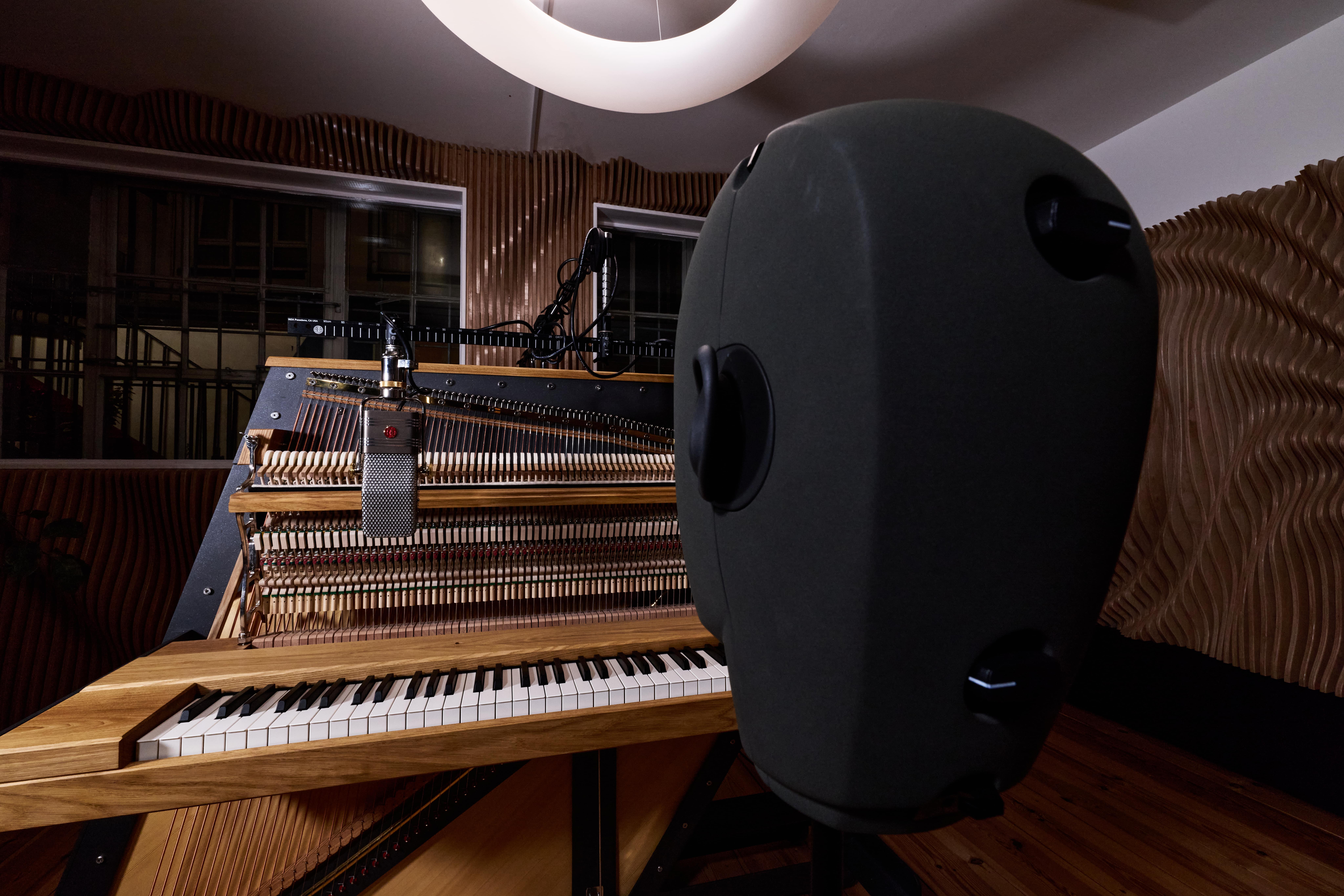
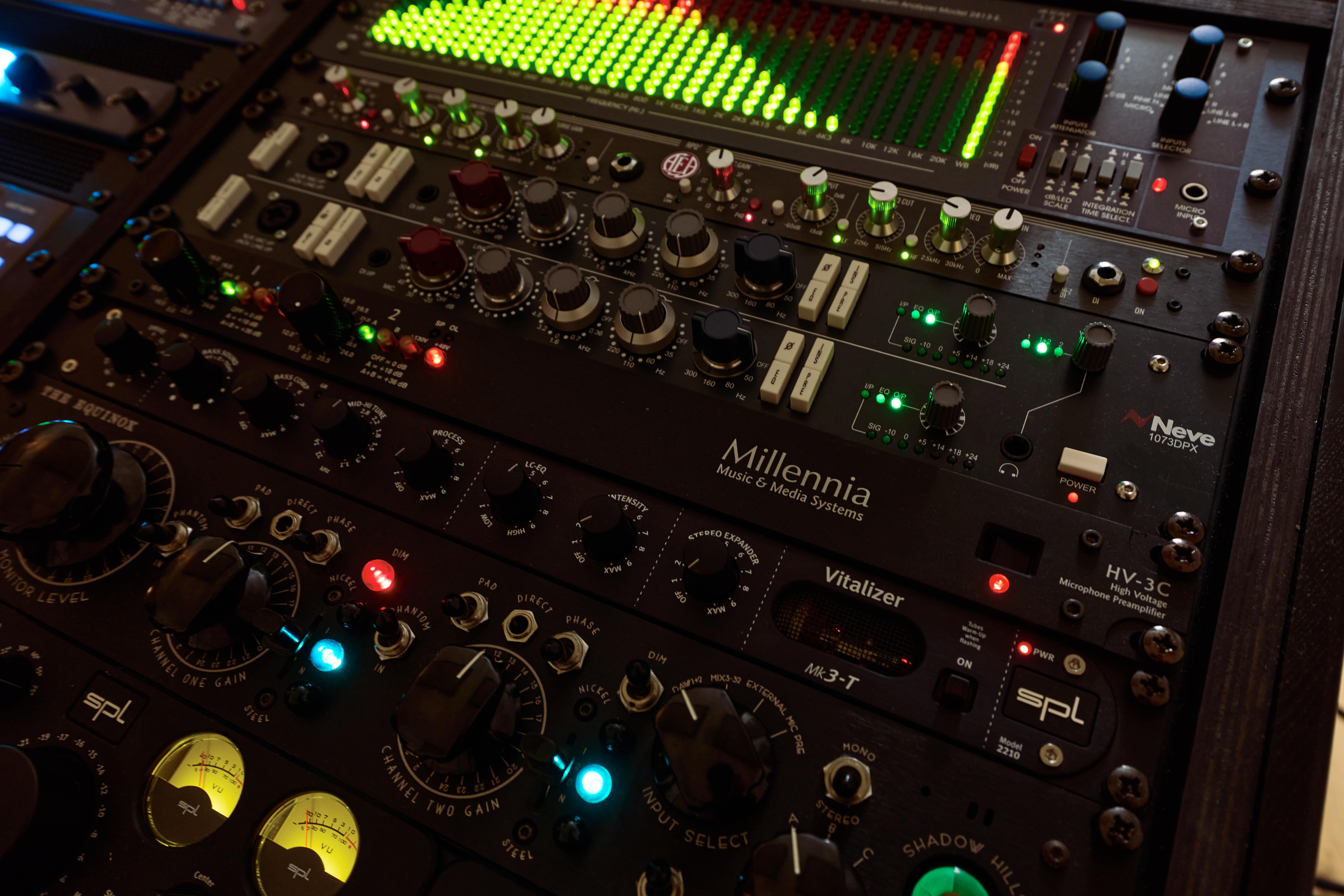
Real piano. Recorded from your midi.
For artists that obsess over sound
One String Per Note
Prioritizing the presence of a single string per note over the perceived width of multiple strings allows each note to sit in any mix with optimal clarity and phase coherence or stand on its own with its natural depth and spatial separation.
Open Soundboard
Features a custom open double-laminated ribless soundboard of solid mountain spruce. Sourced as tonewood from high altitude regions with very slow growth for tighter grain, supporting an exceptionally thin profile for maximum resonance.
Ultra Light Hammers
Choosing bamboo as the material for the hammers produces a softer, more intimate attack. The significantly lower mass results in a naturally quieter instrument, shaping a more delicate tone overall.
Experience our Technology in Action
From your MIDI to a finished recording.
For the song that deserves real
Your Personal Recordings
You will be notified by email if this applies to your recording.
when you strip away
the case body
exposing the piano,
the room itself becomes its case body
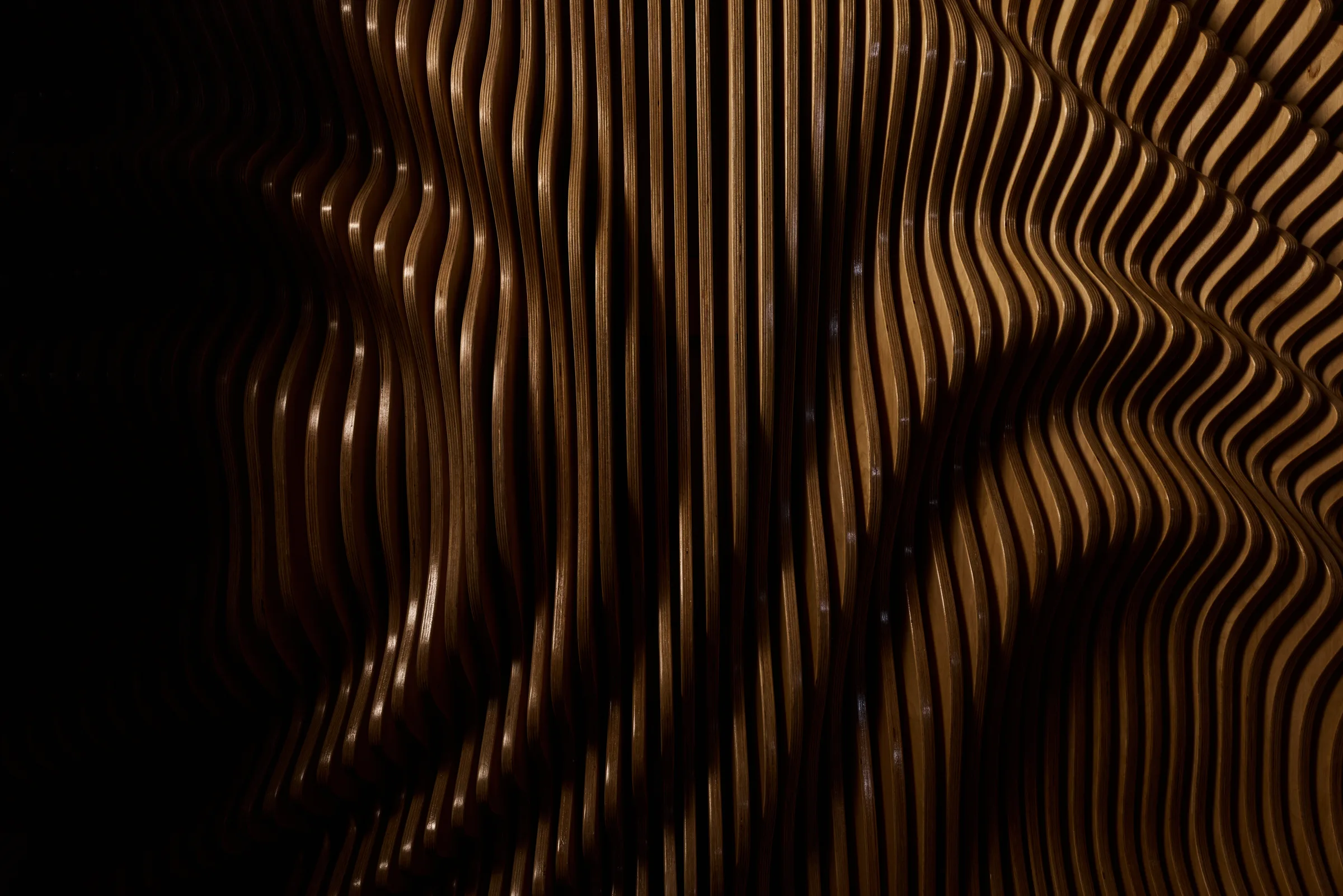
Our Signature
Diffusion Chamber
Detached floating floor, flown cloud ceiling,
and box-in-a-box construction
for acoustic soundproofing
and instrument shock absorption
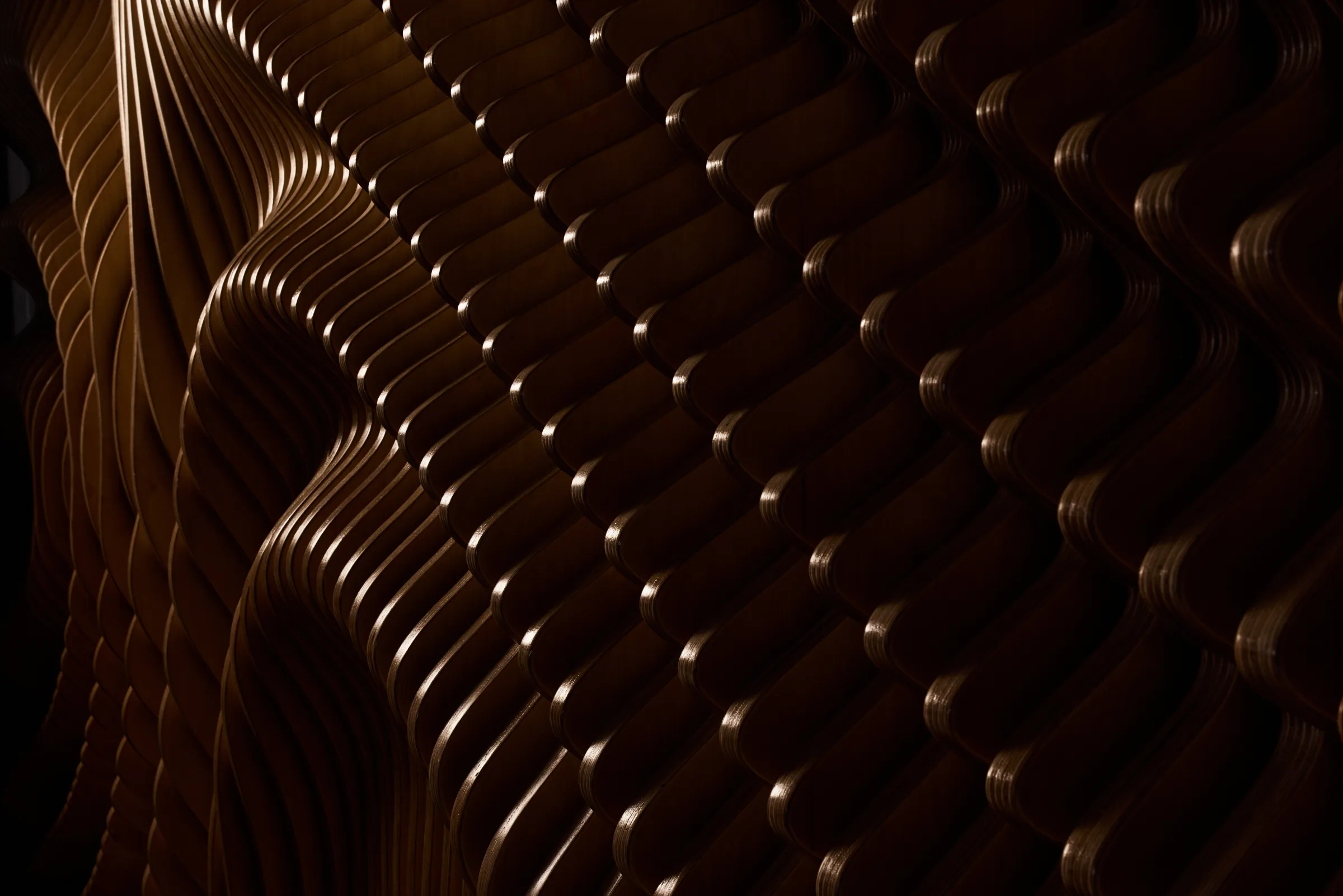
high diffusion coverage
negates destructive
wave interference,
preserving complete
recording integrity
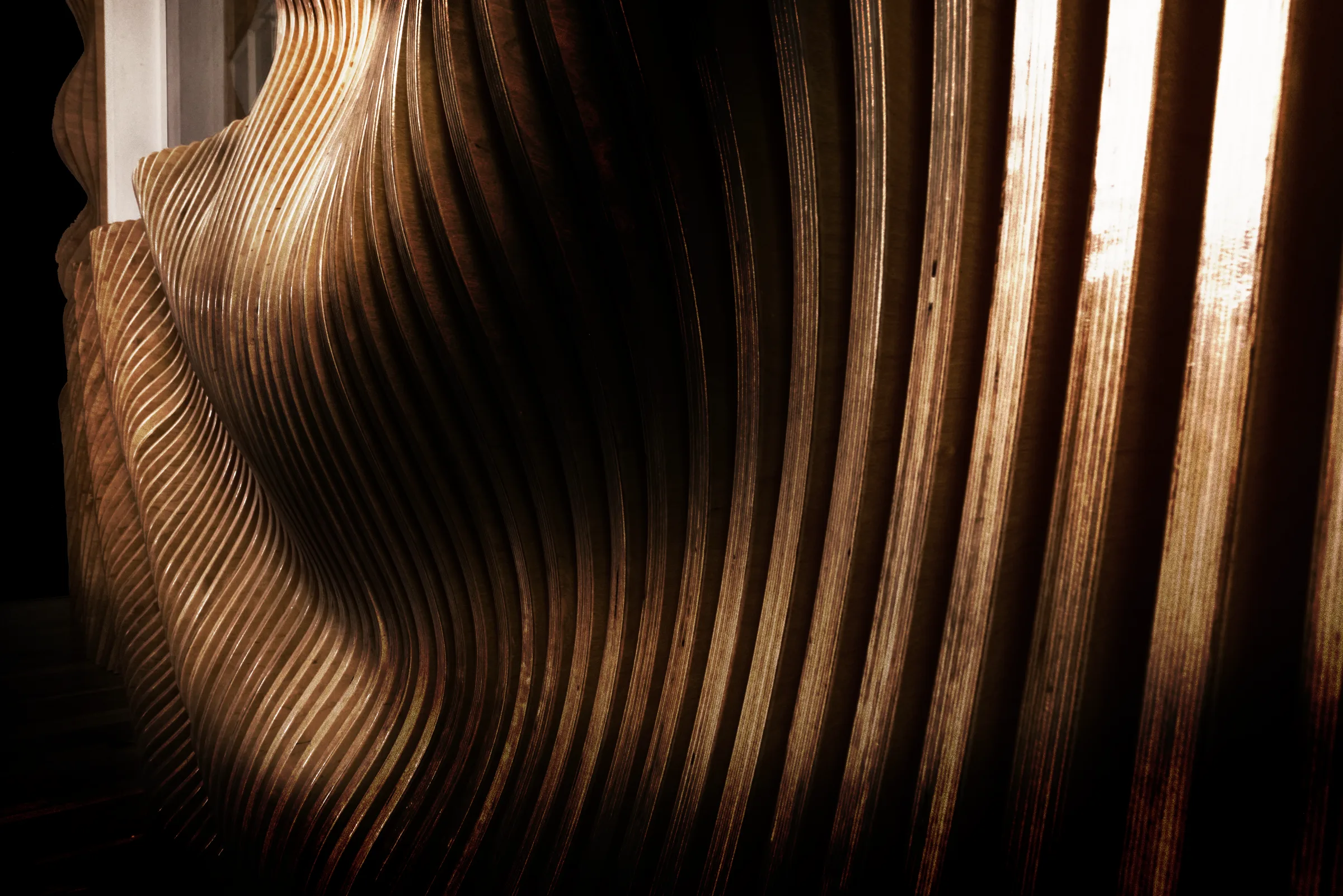
Varying well depths spread
reflections into a more even
acoustic field, reducing resonance
buildup and phase cancellation
while keeping the room alive
FAQs
You ask, we answer
Why we use the Klavins Una Corda
The Klavins Una Corda gives us intimacy, detail, and closeness at the source.
Historically, pianos developed multiple strings per note to create more projection and a chorused, ensemble like sound suited to the stage and mimicing the power of an orchestre.
But much of modern music asks for something else: gentle, immediate and close detail.
After years of engineering, we have often found ourselves trying to make projecting grand pianos sound like that with microphone placement and processing.
The Klavins Una Corda is purpose built for that sound, and produces that sound from the instrument itself, before the recording chain even begins.
For optimal recording fidelity, the source often matters more than microphones, and microphone placement often matters more than leveling and processing.
Is the Klavins Una Corda right for my project?
The Una Corda is more flexible than it may first appear.
Some people see the Klavins Una Corda as a very specific instrument. We think its flexibility is often underestimated.
While it shines at low velocity, at high velocities the piano can be very powerful and still carry an impressive low end for its build.
It has a lot of character, but that character can be shaped differently just with how you choose to mix the microphone recordings.
We also offer several preparations that change the sound in different ways and create diverse sound profiles.
Due to the accuracy of the self-playing system, you can also record the same piece multiple times and layer the different takes for micro variation.
Preparations and tone options
We offer different string preparations to shape the tone before recording.
Each preparation changes the attack, softness and brightness of the piano, giving you several tone options to choose from.
Thick felt creates the softest and darkest sound. Cotton gives a more elegant, hushed tone. Cheesecloth creates a subtler rounding of the attack. No preparation gives the clearest and most open version of the piano.
Thicker preparations can sometimes create more string artefacts, sympathetic movement, pinch harmonics or additional physical texture. Depending on the project this may or may not be the right fit for your project. This is a feature, not a bug.
Tuning and pitch accuracy
We tune our house piano regularly, but no acoustic piano is perfectly static.
We regularly tune our house piano to concert standard with our piano tuner, but no acoustic piano can be guaranteed to remain perfectly in tune at all times.
It is a physical instrument, affected by season, temperature, humidity, and use, even in a controlled room.
Digital pianos can stay perfectly in tune. A real piano carries small natural variations, and we believe that is part of what makes it feel organic, emotional, and alive.
If your recording feels too out of tune, please contact hello@tearworks.com and we will make sure you receive a recording you are happy with as soon as possible.
Mechanical noise
The self playing system does produce some natural mechanical noise.
Our QRS self playing system produces some natural mechanical sound, much like the action of any acoustic piano.
Depending on the project, this can be either a strength or a limitation. It can add realism, texture, and physical presence, but it may not be right for every production. When mixing the stems, you can accentuate or lower the mechanical noise of the piano action and self-playing system by prioritizing the soundboard mid side recording.
Room acoustics
The room is part of the instrument.
Imagine speaking inside a closet. Now imagine recording an instrument there.
An instrument is only as beautiful as the room around it.
Our piano is recorded inside a highly treated diffusion chamber, designed to preserve detail, space, and natural reflection without making the sound feel dry or boxed in.
Is this AI?
No. Tearworks is not an AI music service.
Your recording is made with a real acoustic instrument, real physical mechanics, real cables, real analog hardware, human engineering, human listening and decision making.
The self playing system performs your MIDI on the piano mechanically, but the sound itself comes from a real instrument in a real room. We listen, adjust, and record using the same principles as a traditional studio session.
Tearworks does not support replacing musicians with AI. We work with real pianists, engineers, and artists. Our remote service exists to make high quality piano recording more accessible to artists who may not have access to a specialist studio or a large recording budget.
Recording rights and ownership
You keep ownership of your MIDI and your final recording.
Tearworks does not take ownership of your composition, your MIDI, or the piano recording we deliver to you.
When you pay for a recording, you receive the rights to use that recording in your own music, subject to our terms and conditions.
File privacy and leak protection
We treat your music as private material.
Your files are uploaded securely and delivered through personal download links.
We delete recordings after 30 days and take your trust seriously.
We understand how meaningful unreleased music can be, and we treat your recordings with care.
Full album recording
Yes. You can record one piece, several pieces, or a full album.
You can upload one MIDI file or multiple MIDI files anywhere on the site.
If you have any trouble uploading, please contact hello@tearworks.com or send the files directly by email.
Mistakes and revisions
If something is wrong with your recording, we will make it right.
Because we record live, rare mistakes or interruptions can happen.
Power issues, external noise, fire alarms, mechanical faults, or other real world problems can affect a take.
If something is not right in your recording, please contact hello@tearworks.com and we will make sure you receive a recording you are happy with.
Self playing system limitations
The system is powerful, but it still has real physical limits.
The sustain pedal cannot be held continuously for very long periods, because the pedal solenoid has safety limits. Approximately 15 seconds is the limit for automatic disengagement of the sustain pedal.
The system often plays with a stronger touch than many piano plugins are programmed to expect. We usually recommend keeping MIDI velocities low, often between 1 and 50, and only using higher values for strong accents.
Because this is a real upright piano action, fast repeated notes on the same key may not always retrigger. The note may simply not sound if repeated faster than the actual piano mechanism can reset.
Alternating notes, however, can be played at extremely high speeds, making it possible to create textures that would be impossible for a human pianist.
If your composition may push against some of these limitations, please consult with our recording engineer during briefing stage after succesfully uploading.
Self playing system benefits
The self playing system lets you write real piano parts beyond human hands.
You can write impossible piano parts that no human could physically play, including chords across the entire keyboard at once.
You can expand and layer counterpoint sequences across the entire keyboard.
You can create extremely fast alternating patterns.
You can automate tempo, timing, and velocity with exact precision.
You can combine techniques that would normally be impossible, such as very quiet notes at extreme speed, perfectly linear velocity ramps, or generative MIDI from MaxMSP.
It gives you the sound of a real piano without being limited to human hands.
B2B packages
We offer partnership packages for institutions, studios, labels, and companies.
These can include monthly or yearly subscription plans for regular or expanded use of the service.
For B2B enquiries, please contact hello@tearworks.com.
Human player recordings
We offer human pianist players on selected special projects.
A human pianist session will usually increase both the price and delivery time. There will always be a level of human interpretation, human error and general human sound such as breathing, floor creaking and more erratic key pressing noise.
For some projects, a human delivers the best result; for others, self-playing can deliver something humans cannot.
Please contact hello@tearworks.com and we can arrange a recording performed directly by a pianist from our team.
In house studio sessions
Tearworks is also available for selected in house sessions.
We offer recording, production, analog synth composition, songwriting, mixing, and mastering in house.
We have also hosted live performances, multimedia performances, podcasts, interviews, and other music related sessions.
Please contact hello@tearworks.com and we can discuss any project you may have in mind.
Hansen
Tearworks is a bespoke piano recording house in East London built around a Klavins Una Corda 88, turning submitted MIDI into real piano recordings using uniquely calibrated player piano technology.
We exist to give anyone access to high fidelity piano recording at a cost below traditional studio hire, while operating at a level normally reserved for major artists.
Our goal is to back emerging artists and give new voices a place in culture.
England and Wales
No. 15104116